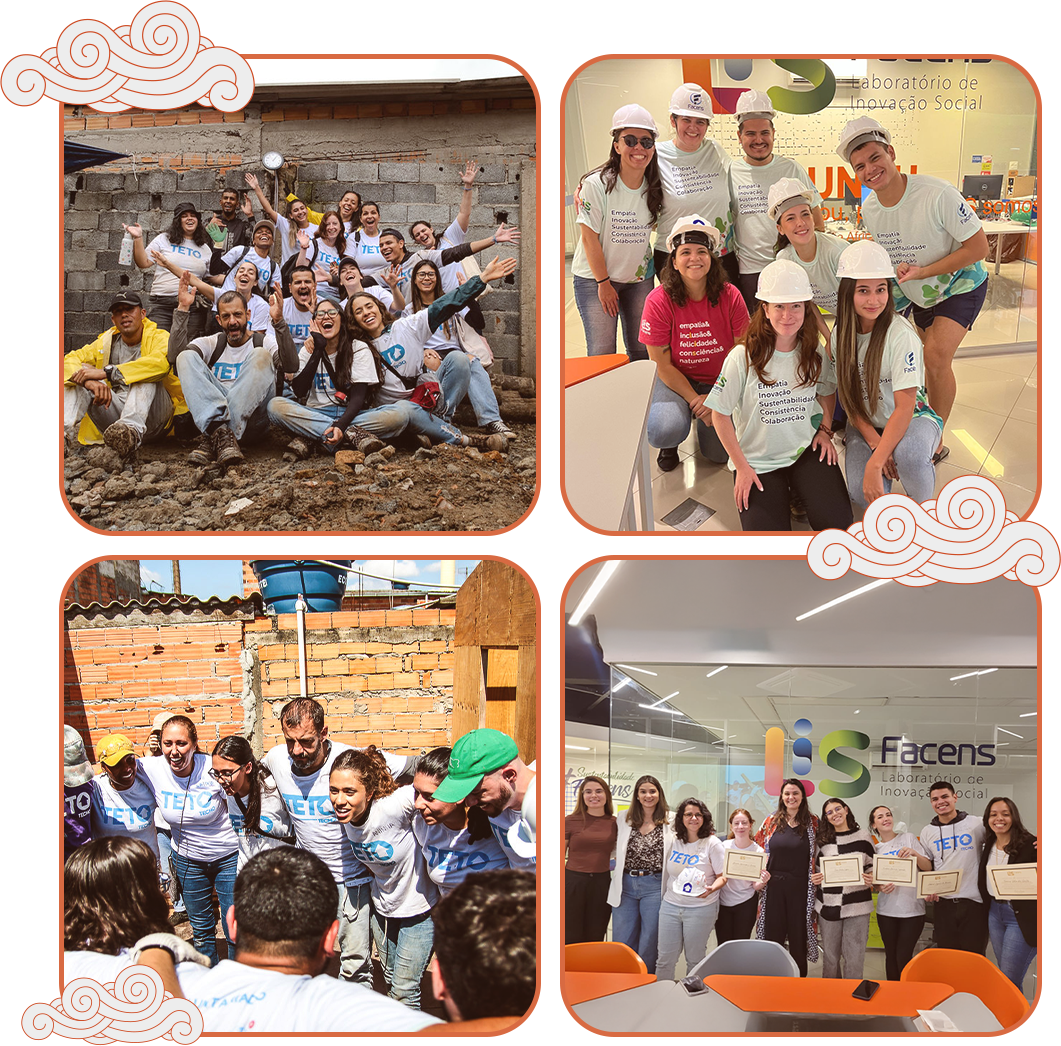
UniFacens continuously seeks to encourage students to develop civic awareness and engagement with the needs of the real world. We offer a range of activities and volunteer programs, connecting classroom learning with practices that inspire social change. To also reach stakeholders, we conduct initiatives that foster debates, the exchange of ideas, and reflections on the ESG agenda, which we consider pivotal for progress across industry and society.
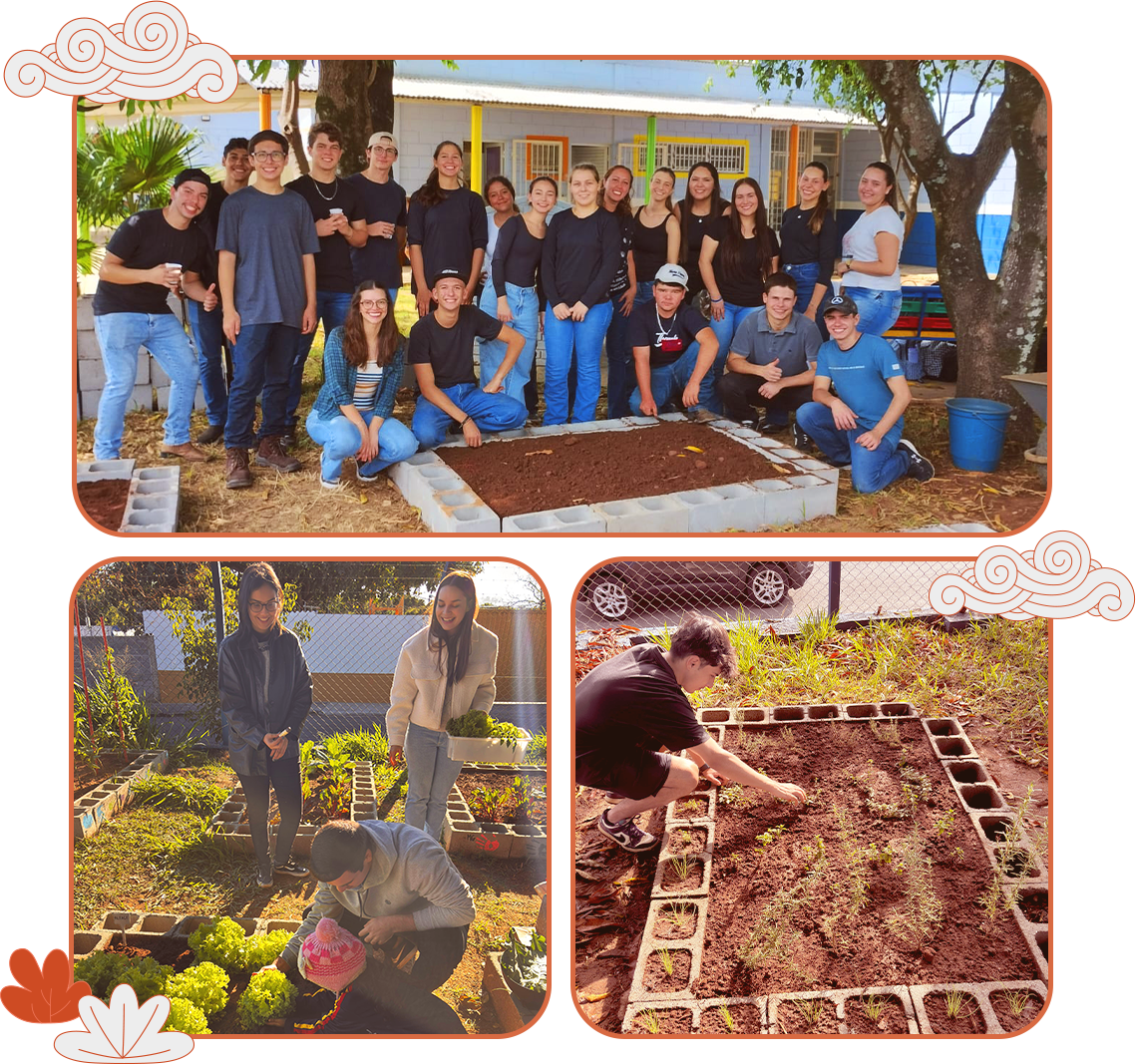
Our Garden, Our Future (Nossa Horta, Nosso Futuro) is a project that transforms curricular integration into an ongoing practice by generating long-lasting impact both on the beneficiary institution and students from the Agronomic Engineering program at UniFacens. From March 5 to May 29, the project’s third edition took place in CEI 51 – Rubens de Faria Childhood Education Center (Centro de Educação Infantil Rubens de Faria). Four UniFacens students helped develop and implement a vegetable garden, benefiting 200 children.
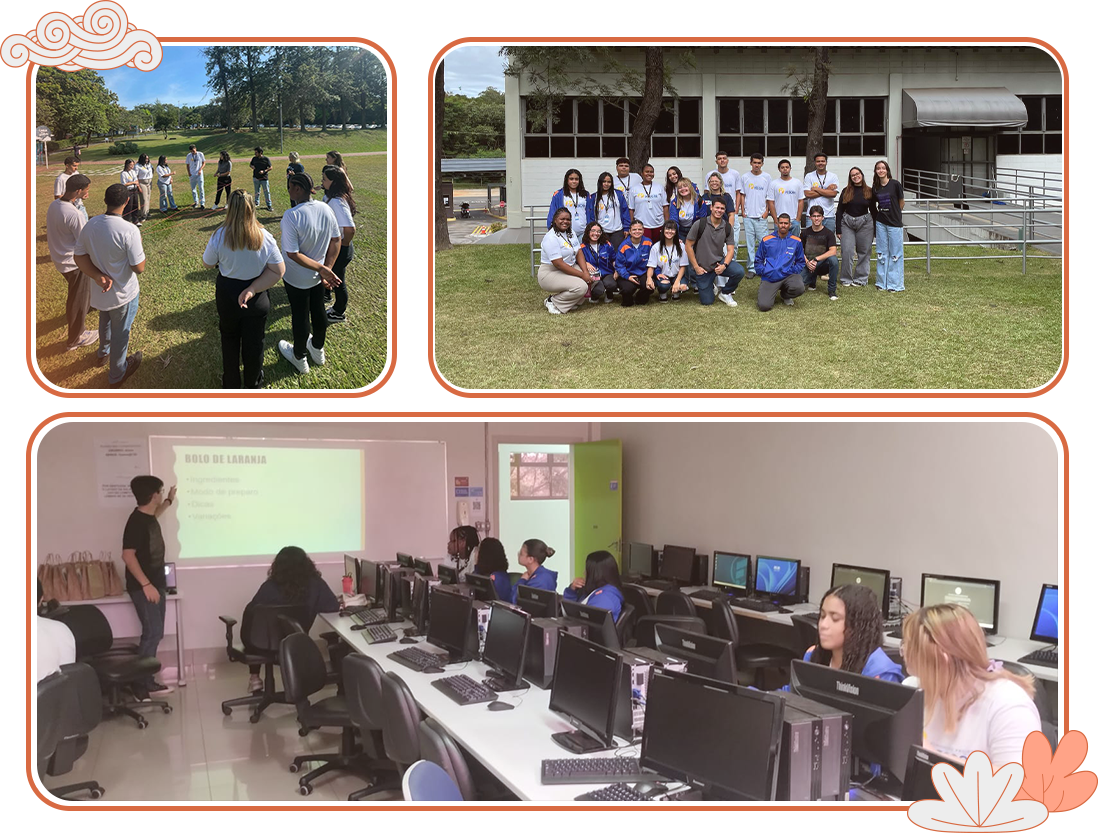
The Pescar Project is a social initiative aimed at empowering young people in situations of social vulnerability through learning and skill development opportunities. It is an annual volunteer activity led by LIS in partnership with corporate businesses. In 2025, the program ran from April to May and partnered with long-standing collaborators Volvo-Lapônia and Emerson.
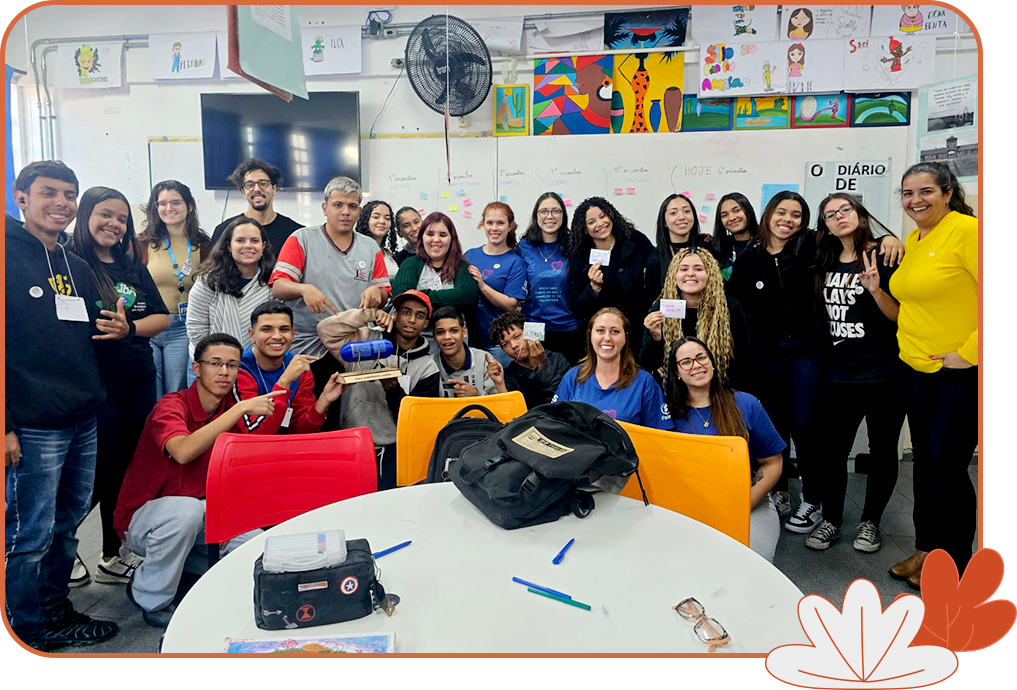
Decola Aí! is an educational and tutoring program designed for high school students. It focuses on building life plans, strengthening selfawareness, and guiding students through academic and professional paths. Through interactive workshops, games, reflections and testimonies, the program encourages young people to own their potential, pay attention to educational and job market opportunities, and make conscious decisions about their future.
The initiative was led by 8 university student volunteers and involved 27 students from Professora Jordina Amaral Arruda Public School (Escola Estadual Professora Jordina Amaral Arruda). Participants shared experiences, inspiration, and guidance, reinforcing education as a vehicle for social and personal transformation.
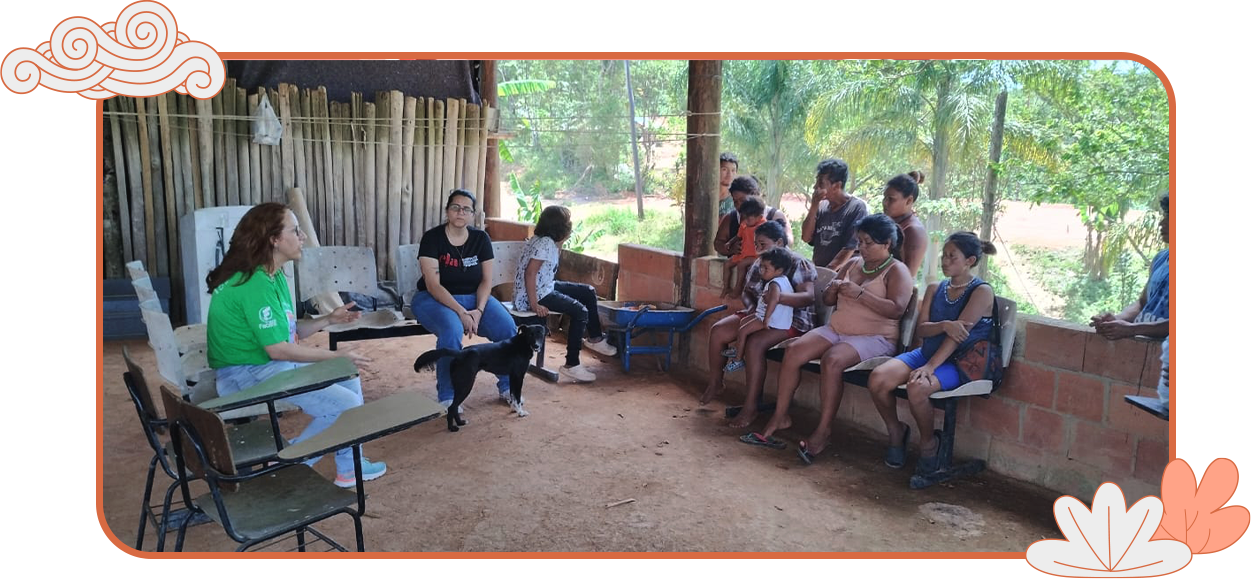
In partnership with UniFacens Library, LIS led the Tackling Period Poverty Campaign (Campanha Contra a Pobreza Menstrual), centered around social equity, dignity, and health. The campaign not only raised awareness on period poverty, but also gathered the academic community in benefit of concrete actions.
This initiative brought together 81 students across sensitization sessions and collection drives, gathering over 1,500 pads. All collected items were delivered to the indigenous community of Tapiraí, directly supporting menstrual health and access to basic hygiene resources.
In addition to those numbers, the campaign sparked meaningful dialogue on menstrual health, social inequality, and the role of educational institutions in promoting inclusion and care.
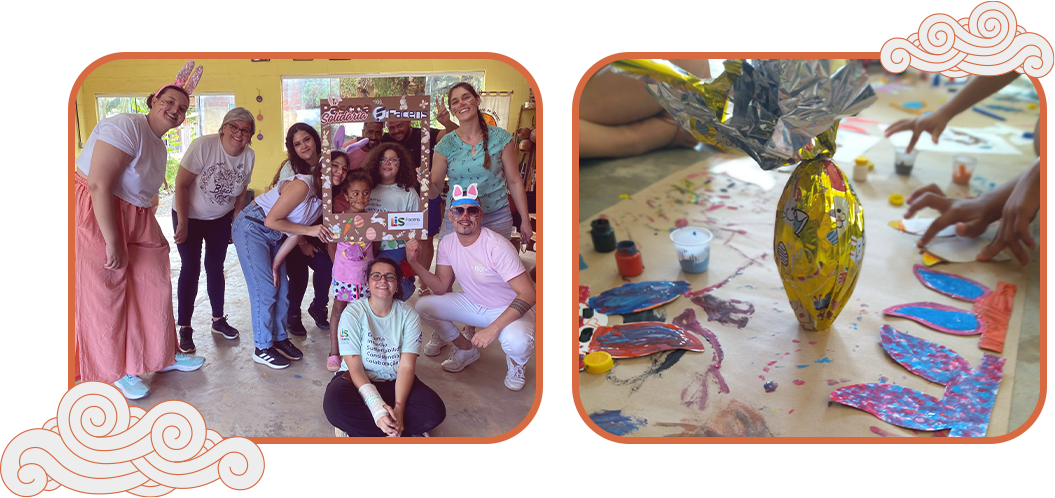
UniFacens students and employees spearheaded Páscoa Solidária—an Easter donation drive to bring joy and care to children living in the Rosa Luxemburgo Settlement (Ocupação Rosa Luxemburgo). Over 135 Easter eggs were delivered, allowing children who otherwise might not have been able to celebrate the holiday to enjoy this tradition.
Beyond the donations, five volunteers visited the community during Easter to carry out recreational activities for the children, creating a space for joyful community celebrations.
More than a seasonal campaign, this project reinforced values of community solidarity, such as empathy and social responsibility, demonstrating the importance of going beyond material donations and building meaningful social connections.
LIS—in partnership with the Alumni, the programs of Architecture and Urbanism and Civil Engineering, and the TETO NGO—carried out a two-weekend social immersion experience for students and faculty, giving participants an opportunity to build an emergency housing unit for a family in the Jardim Lapena neighborhood, situated in São Paulo. Far more than a hands-on experience in construction, this initiative was a conducive environment for critical thinking on topics such as social inequality, environmental racism, and the disproportionate impact of climate change on vulnerable territories.